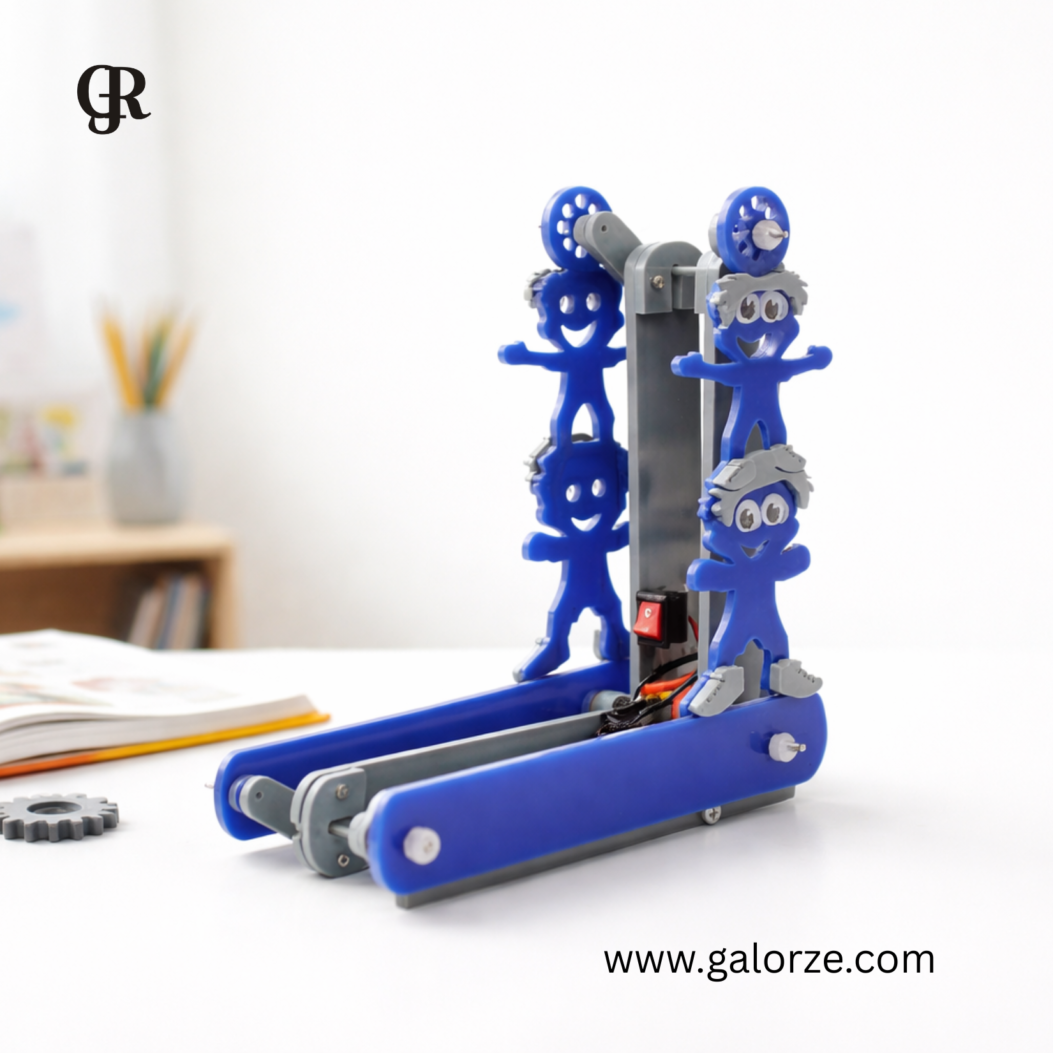
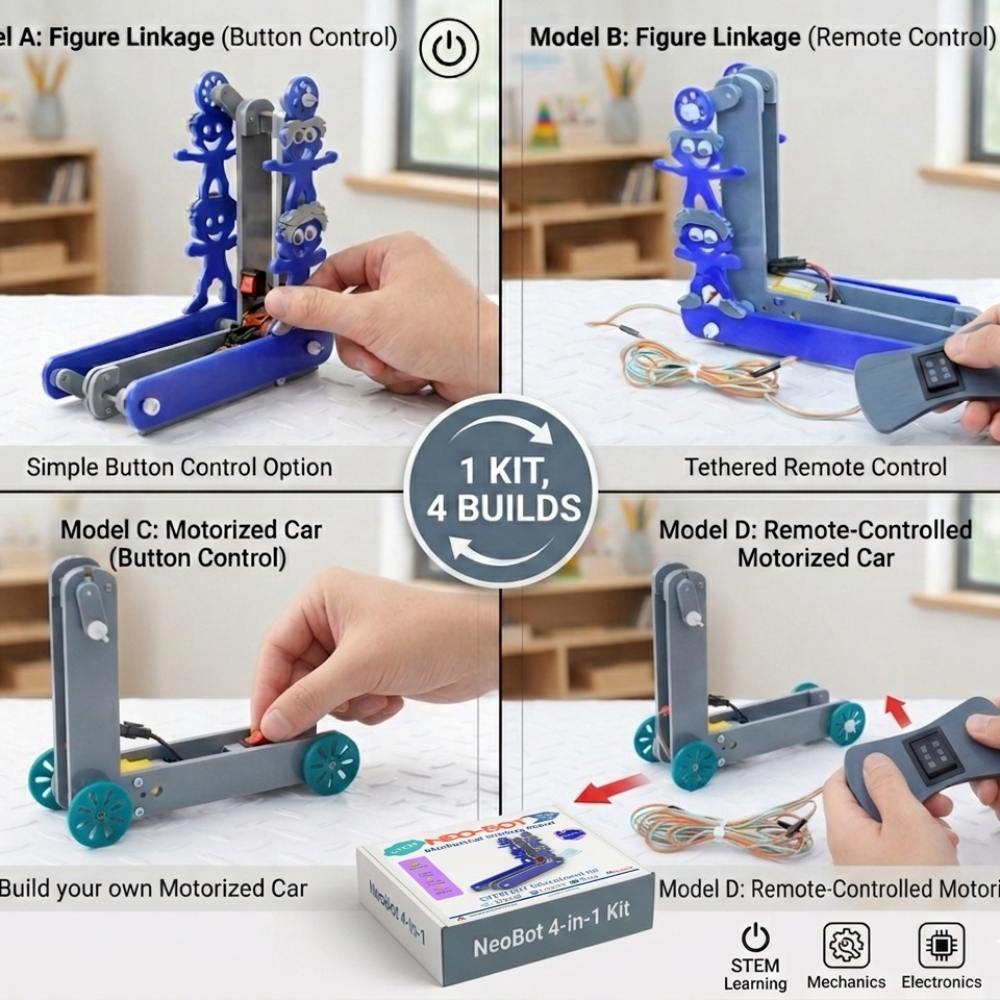
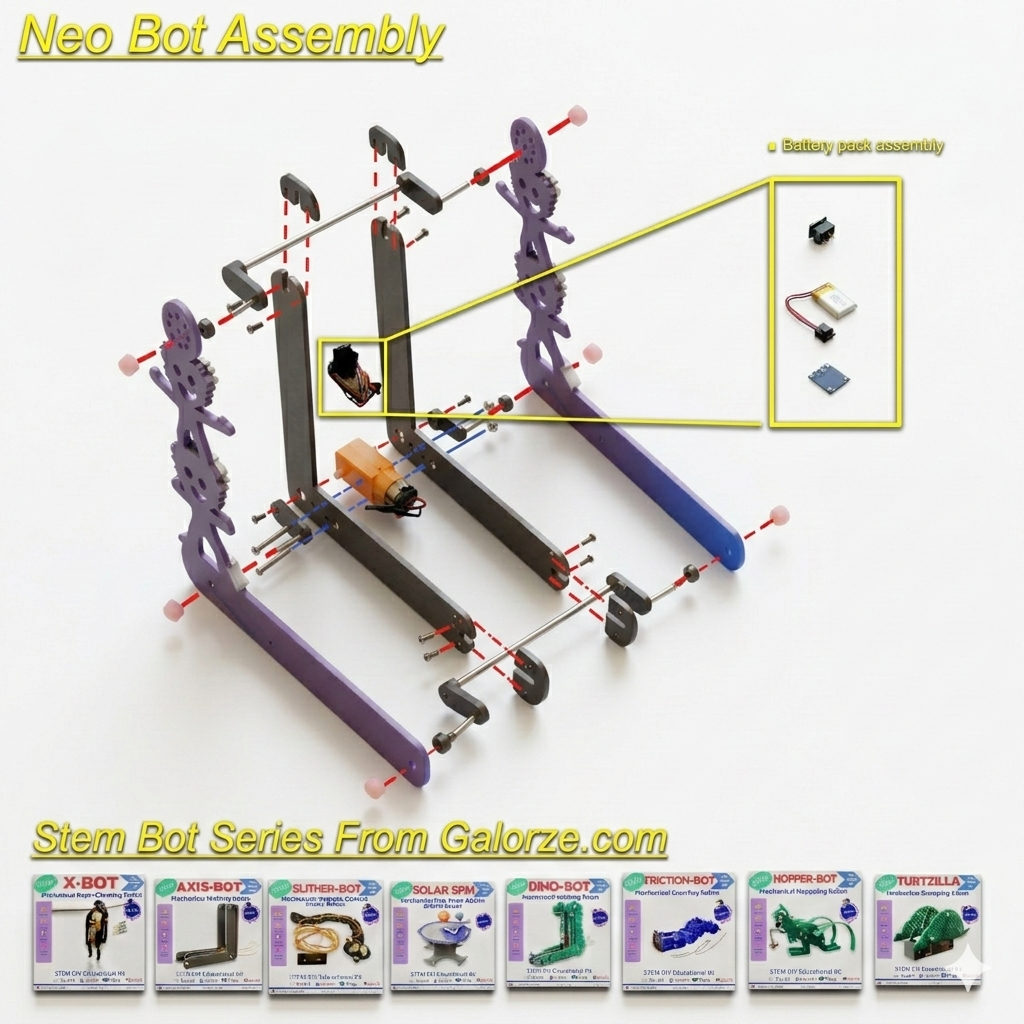
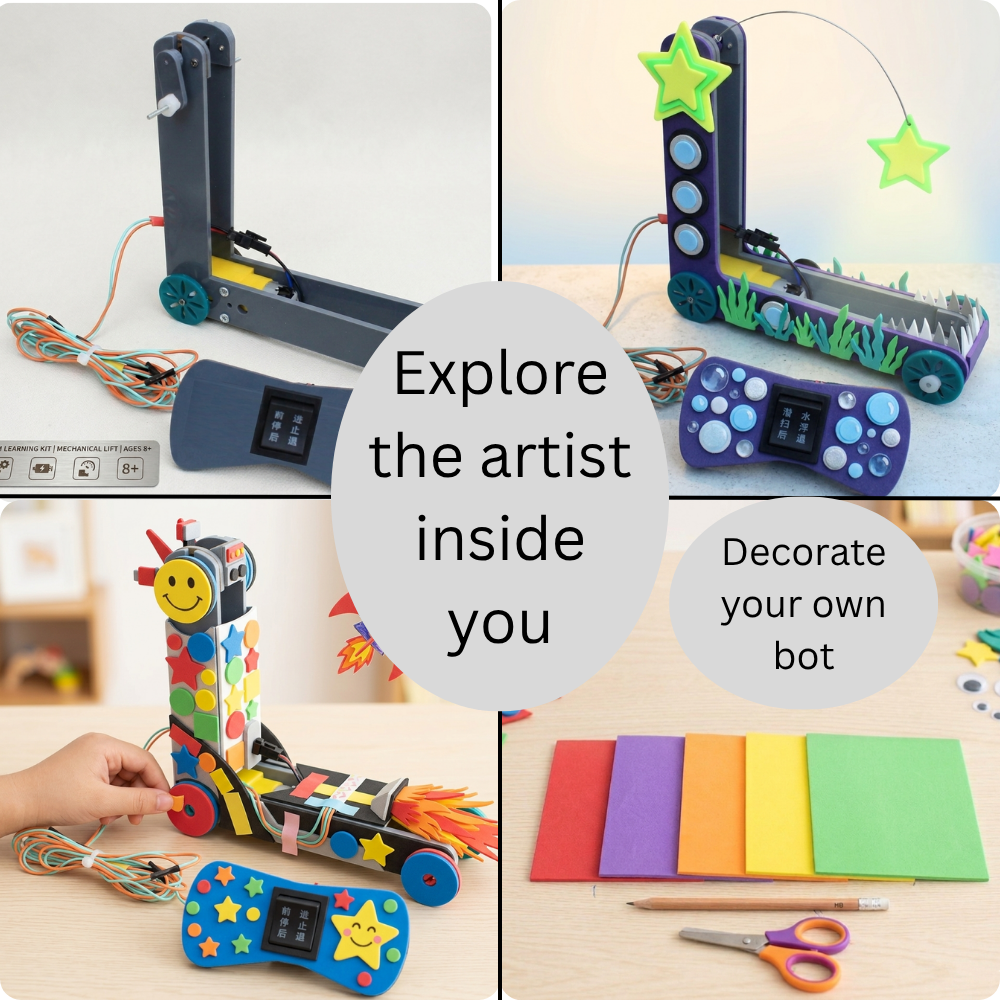
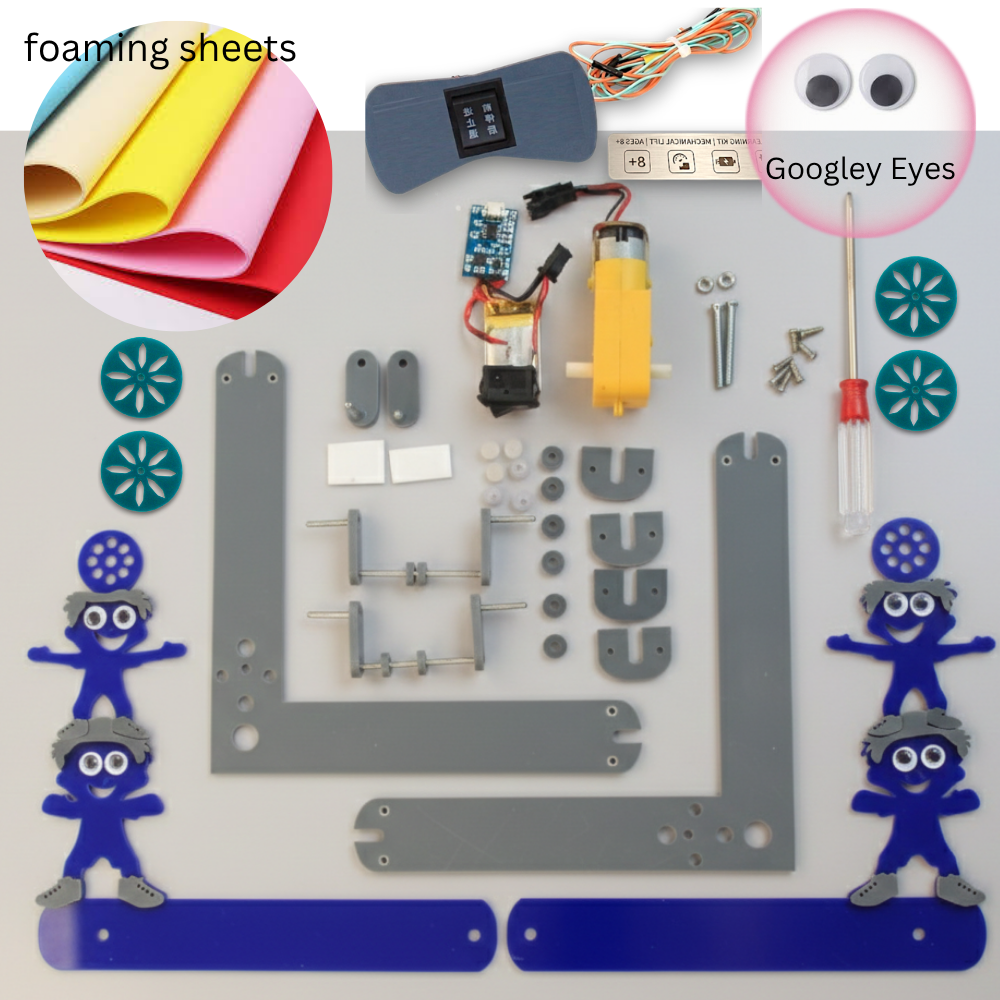
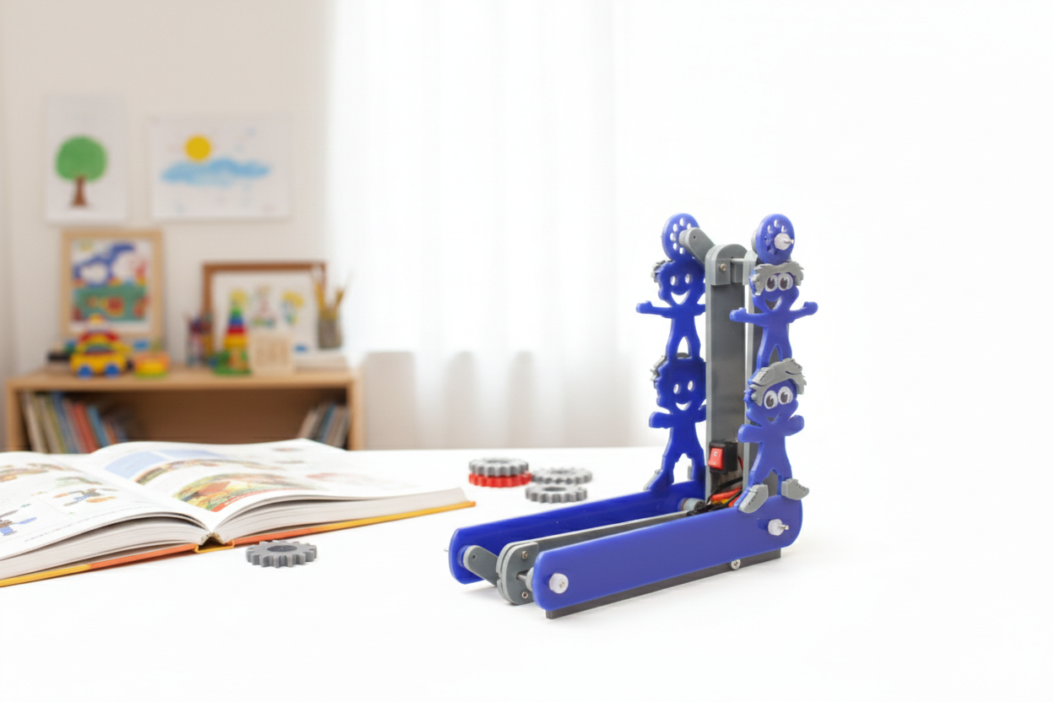
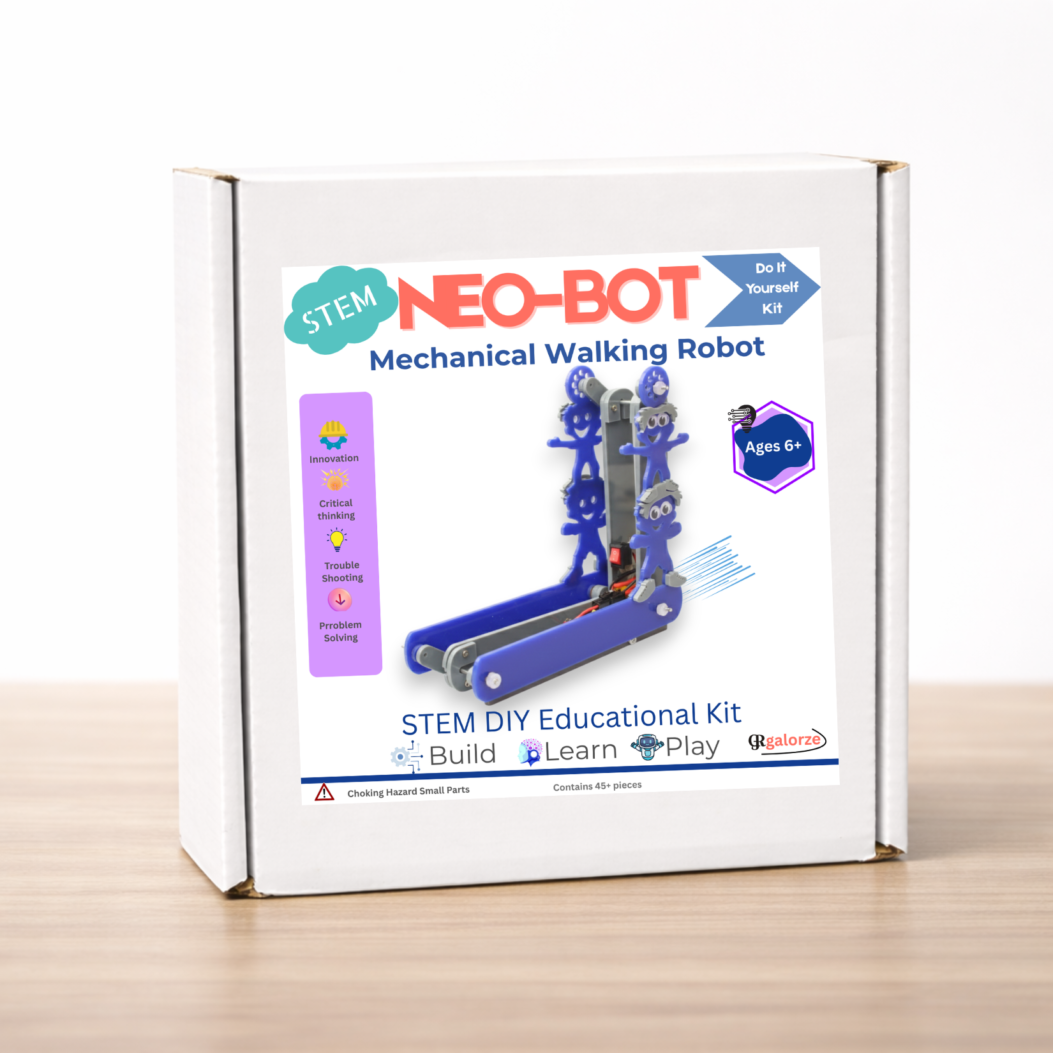

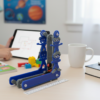
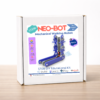

STEM NEO-BOT – Mechanical Walking Robot DIY Kit
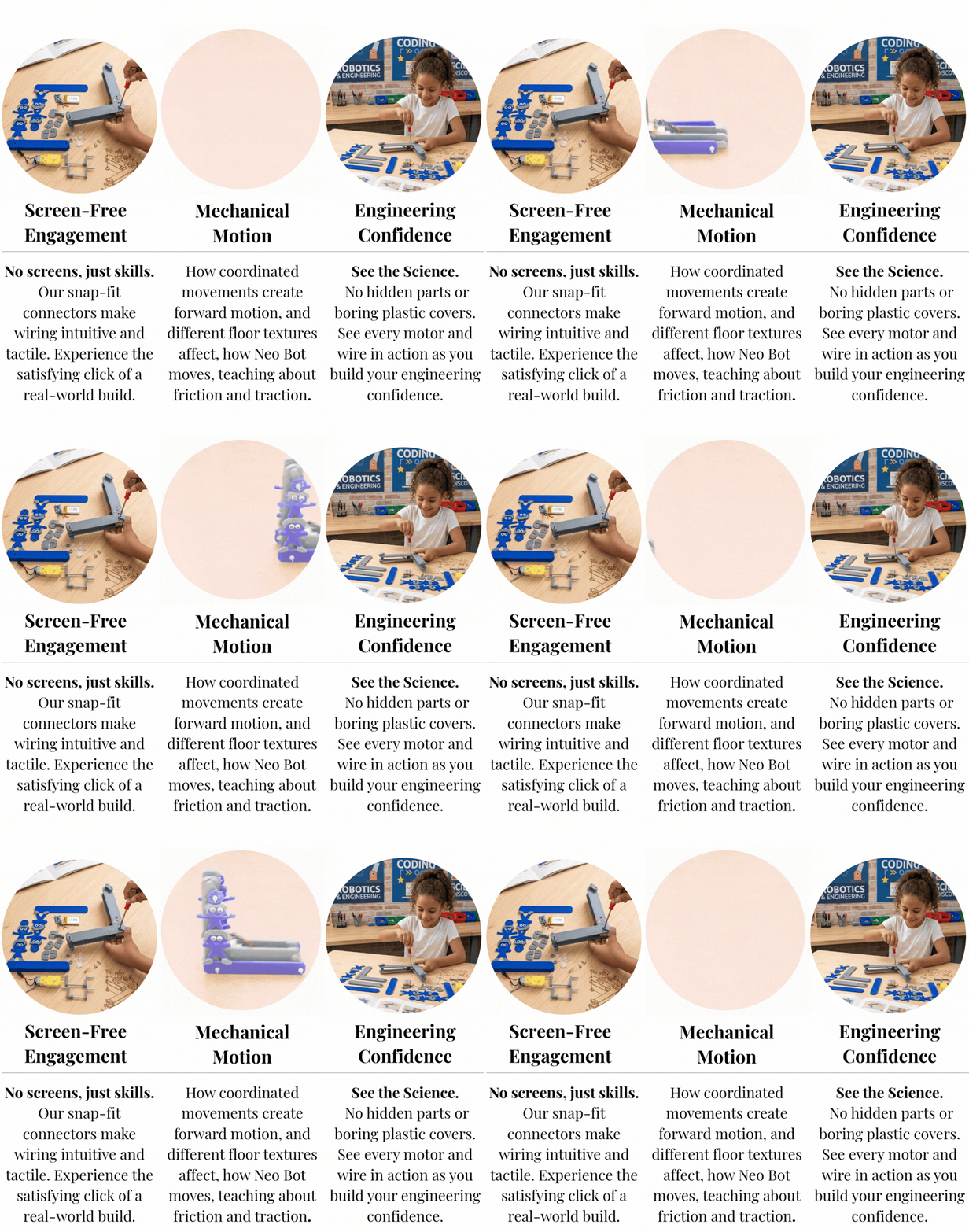
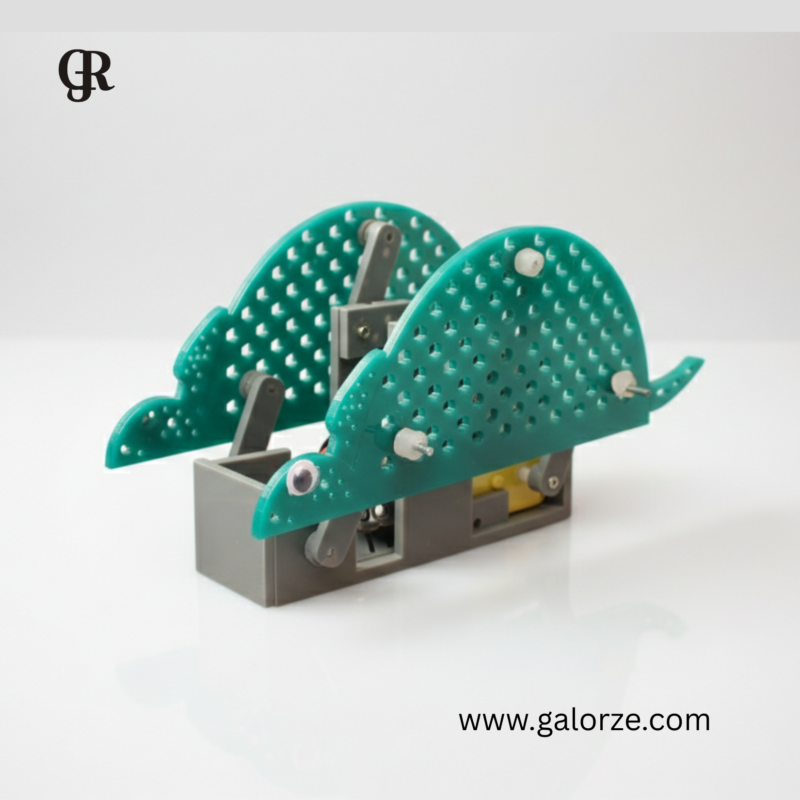
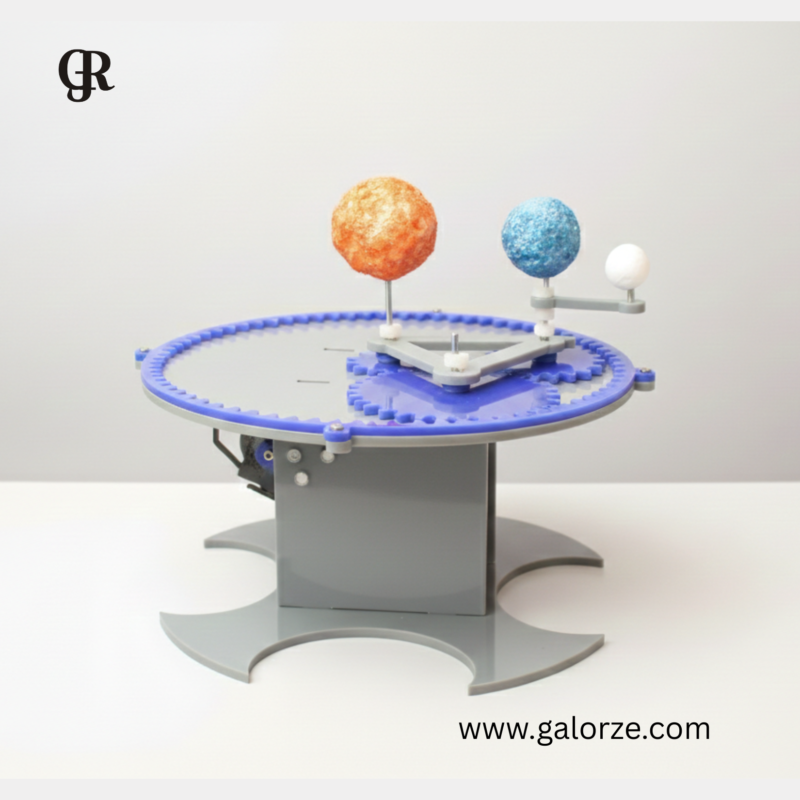
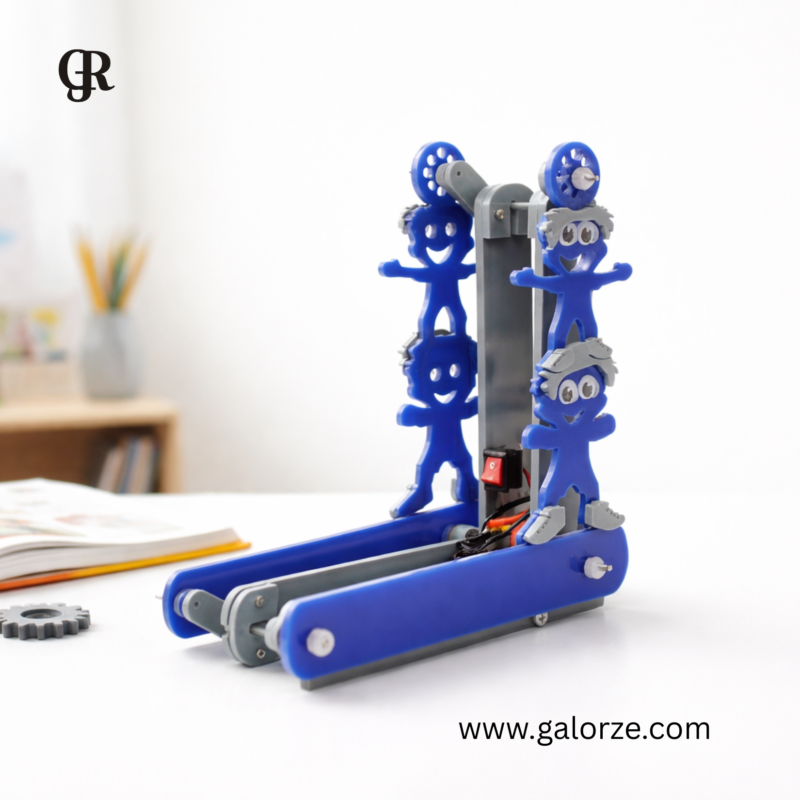
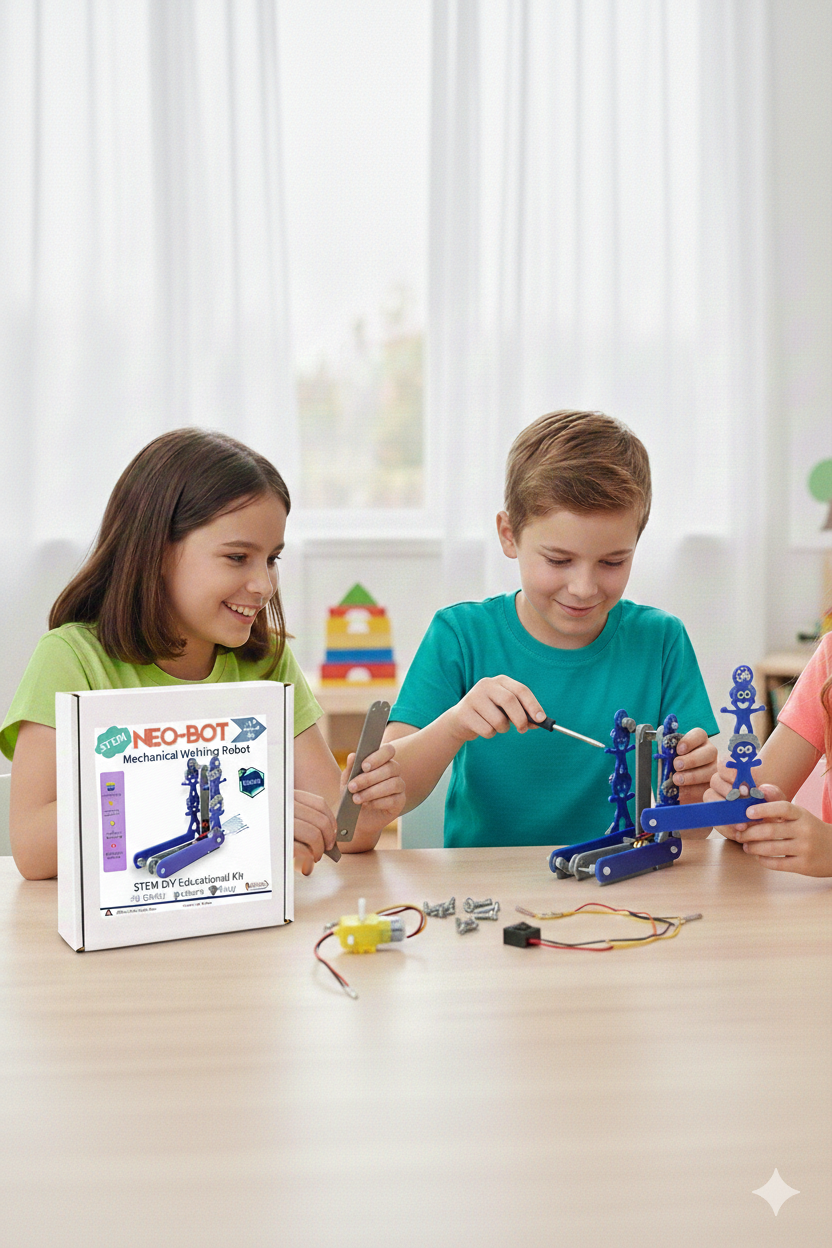
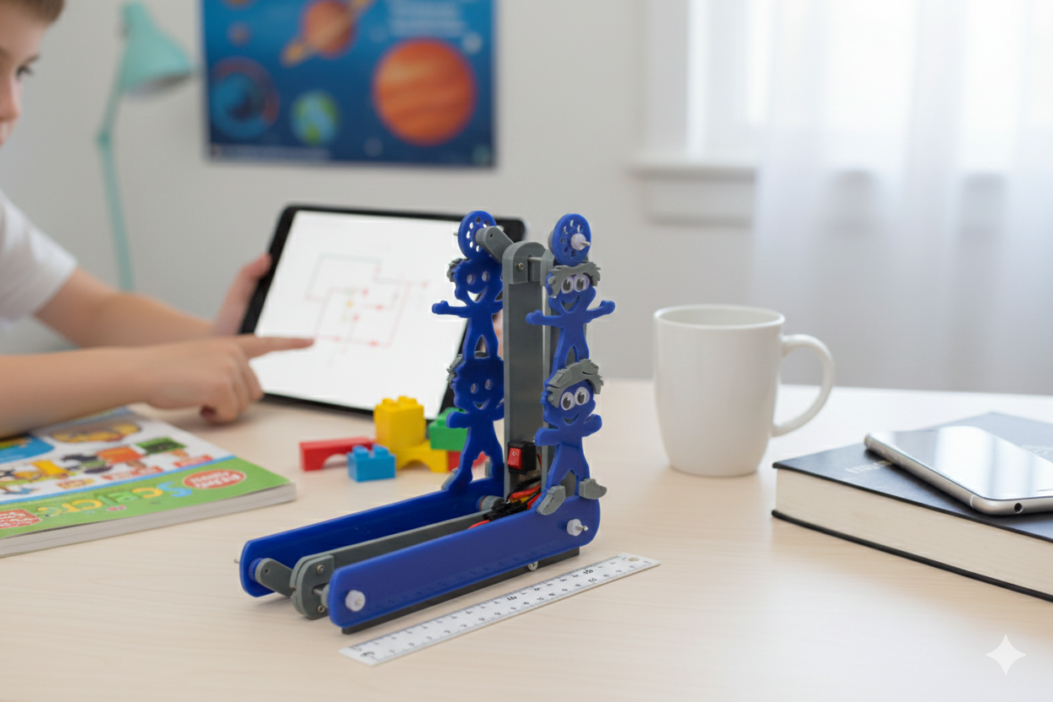
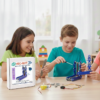
Bring engineering to life with the STEM NEO-BOT Mechanical Walking Robot Kit! This hands-on educational kit allows children to build their own mechanical walking robot using real moving components and gear-driven motion.
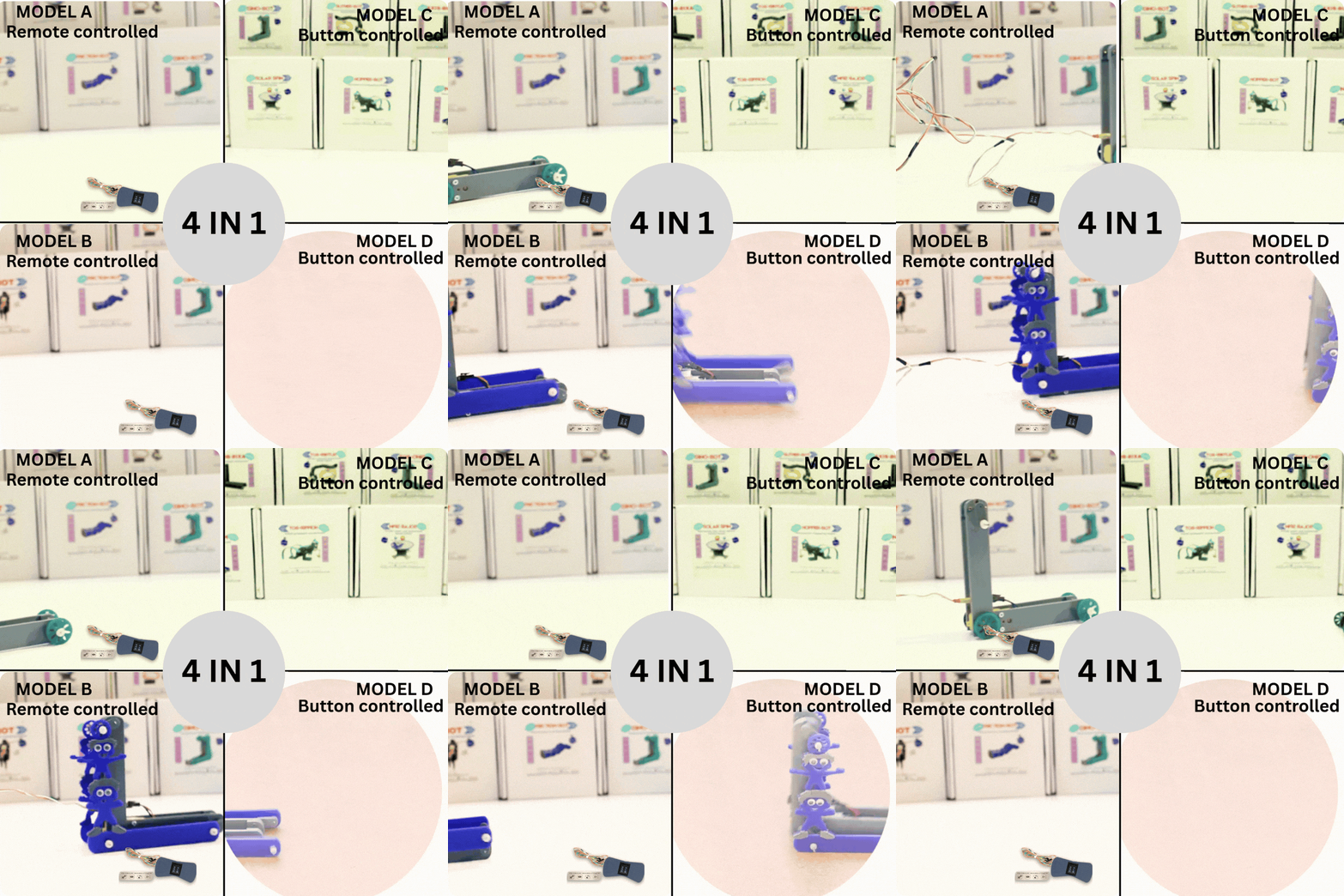
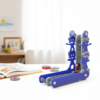
Designed for young innovators aged 6+, this DIY kit introduces core engineering and mechanical concepts in a fun and engaging way. Once assembled, the robot demonstrates a fascinating walking motion powered by a motorized gear system — turning learning into an exciting experience.
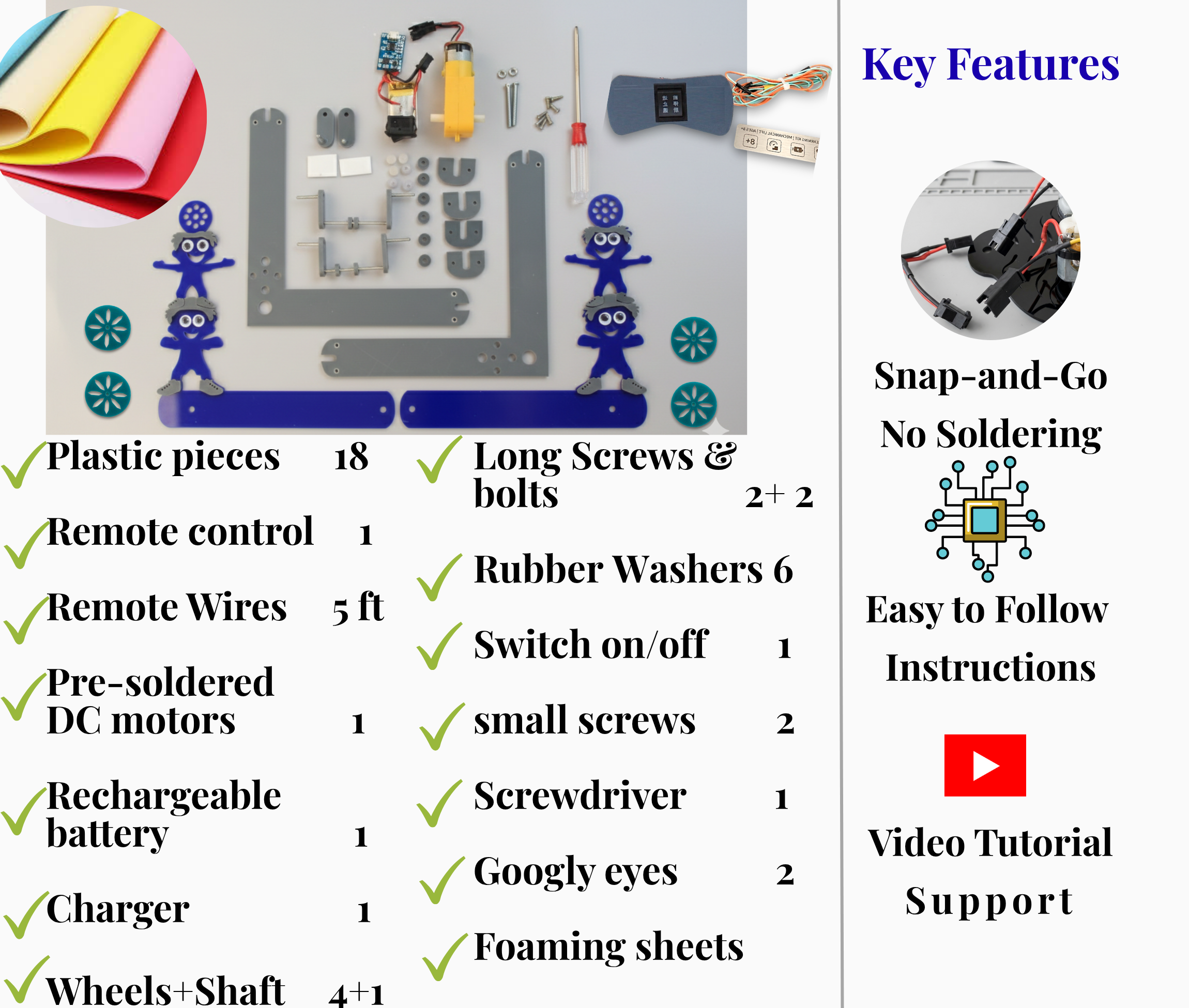
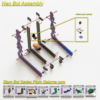
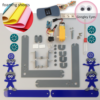
With over 45+ pieces included, kids will enjoy building, troubleshooting, and watching their creation come to life.
Perfect for:
-
STEM learning at home
-
School science projects
-
Beginners in robotics
-
Parent-child bonding activities
Build it. Understand it. Watch it walk.
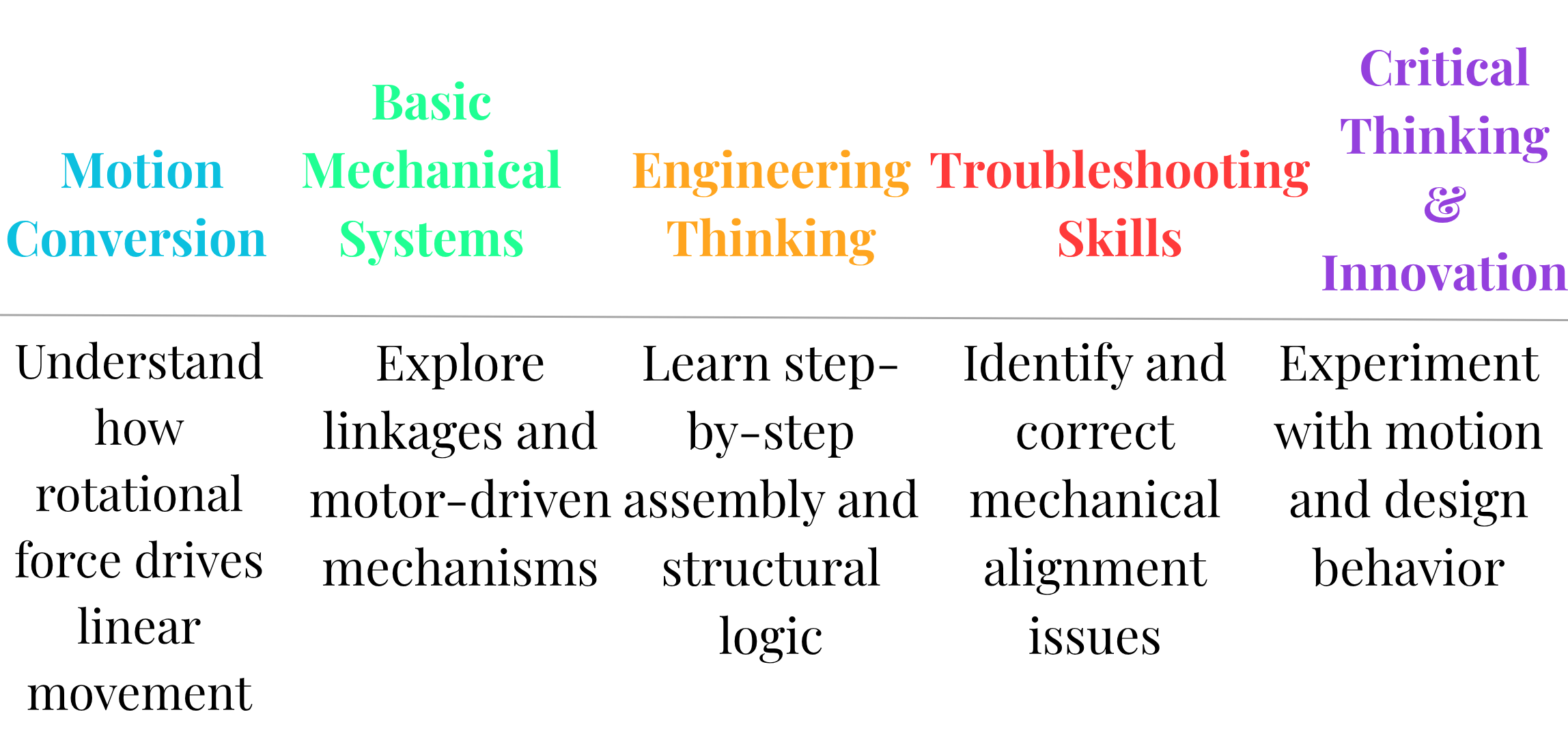
Learning outcomes
1. Physics: Motion & Locomotion
Walking Mechanics: Students observe how coordinated leg movements create forward motion.
Surface Interaction: Different floor textures affect how Neo Bot moves, teaching about friction and traction.
Newton’s Third Law: Students see action and reaction in real time—legs push backward, and the bot moves forward.
2. Electronics & Circuitry
Switch Logic: Using the remote or onboard switches to understand “open” and “closed” circuits that control movement.
Power Flow: Students learn how electricity powers motors and translates into mechanical motion.
Battery Awareness: Understanding why fresh batteries or proper connections are needed for smooth movement.
3. Engineering & Design Thinking
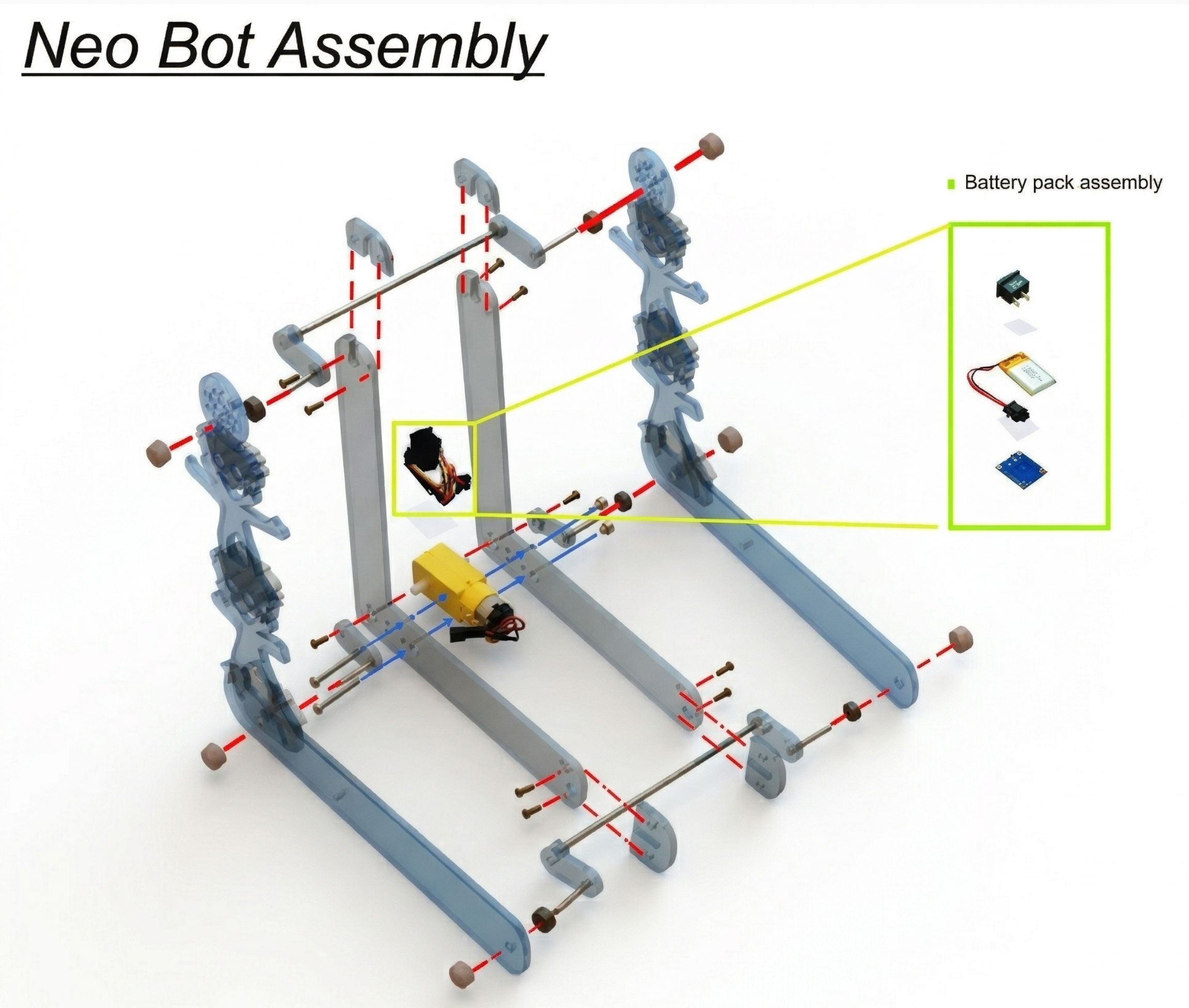
Assembly & Connectivity: Teaches careful construction, how parts connect, and the importance of precise assembly.
Wire Management: Students learn to route wires to prevent tangling with moving legs.
Troubleshooting: “Why is Neo Bot vibrating but not moving straight?”—teaches observation and systematic problem solving.
4. Biology (Biomimicry)
Animal Inspiration: Walking motion mimics quadrupeds; students can discuss why animals evolved such gaits for stability.
Bio-inspired Thinking: Encourages imagining how robotic designs could mimic other animals for movement and efficiency.
5. Critical Thinking & Problem-Solving
Observation & Hypothesis: Students notice patterns in movement and predict outcomes of small changes.
Hands-On Physics: Direct interaction reinforces cause-and-effect relationships.
Iterative Learning: Students learn the value of testing, adjusting, and improving performance